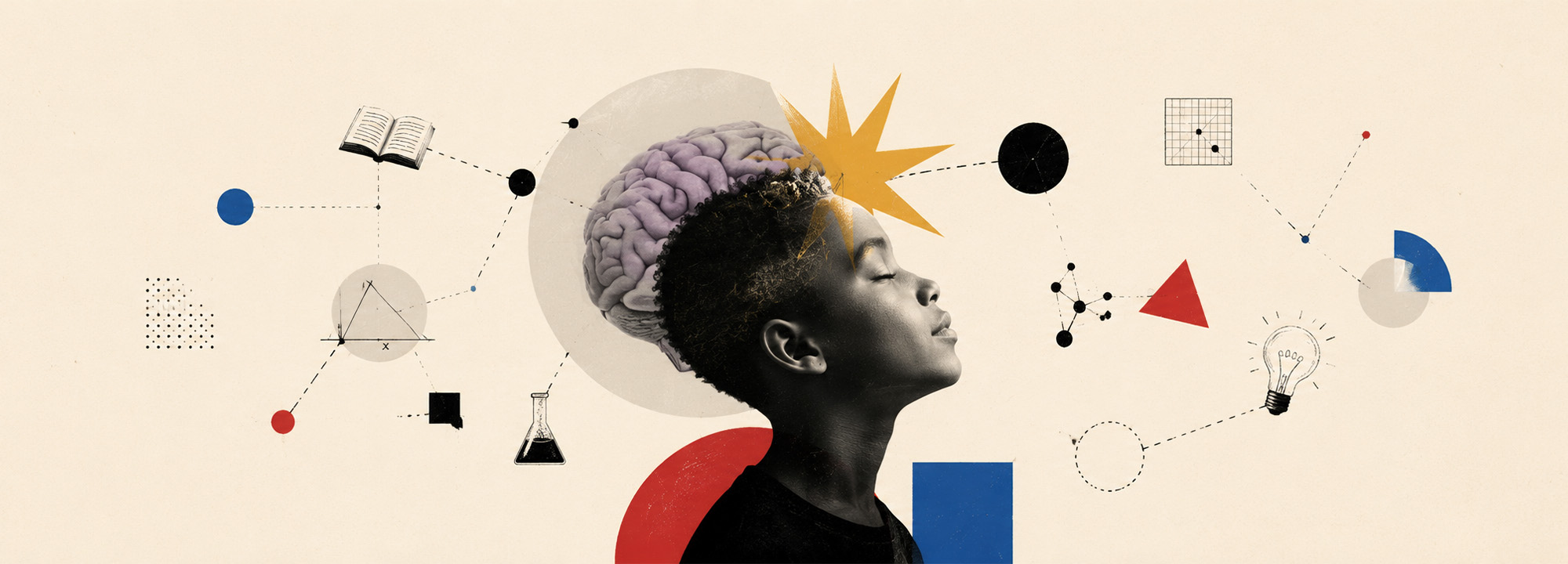
Teachers tend to know instinctively when a lesson is really starting to click for their students.
You’ll notice that every student in the class seems to be sitting up straight and listening intently, eyes bright. Even those students who usually sit at the back and spend most of their time giggling or staring out of the window…
You can just feel the energy in the room rising, and while no lesson is magic, you know that there’s a good chance that whatever they learn in this lesson, will actually stick.
Every teacher knows what a great lesson feels like, but most of us struggle to recreate it reliably
Partly, that’s because there are some things that are simply out of your control. Things like:
- Student dynamics and friendship groups. If a particular class gels well with each other (and you!), that makes creating engaging lessons much easier than when there are fractious and difficult relationships at play.
- How you’re feeling. If you’re full of energy and having a good time at work generally, you’re more likely to be able to deliver a lesson that clicks than when you’re tired, ill or struggling with uncooperative colleagues.
- How your students are feeling. If it’s the start of term and they’re still settling in, it’s the end of term and they’re exhausted, or exams are coming up and they’re stressed out – then the odds are already against you.
Some teachers waste too much time and mental energy trying to fix things like this. In reality, it’s not always possible to create the perfect conditions for teaching, every single time.
 Different days, different lessons
It’s important to remember that not every lesson can be a highly engaging, memorable lesson. Sometimes, you need to teach a ‘boring’ lesson that reinforces vital concepts just before an exam, for example.
Think of it like cooking dinner. Some days, you just need to produce a quick bowl of something filling, even if you’ve eaten it hundreds of times before.
Other days, you have the time and energy to produce a delicious, inventive meal that everyone in your family remembers for months (or years!) after.
The curiosity gap: where lessons that click live
The lessons that really click are those that create genuine curiosity in your students.
This might sound obvious. But it’s actually surprisingly hard to do, and structured education systems and teaching methods can end up working against curiosity, even if we don’t mean them to.
Albert Einstein once said that:
"It is a miracle that curiosity survives formal education".
As educators, we’d all like to think that this isn’t a sentiment that applies to us today. This is one of the reasons why, at McGraw Hill, we’ve worked to make all our programs as personalized to individual students as possible. We know that one-size-fits-all means students don’t just get left behind, they get bored and incurious.
But personalization and innovative curricula aren’t enough on their own. Your individual skill, experience and passion as a teacher is absolutely vital too (even if you’re early in your career).

How to find opportunities to create curiosity
Curiosity is created when there is uncertainty. Your students need to feel that you’re not just teaching them, you’re facilitating their ideas and conversation.
You can do this by:
- Starting a lesson with a thought-provoking visual, audio or tactile prompt without telling them where you want to go with it. Show them a clip from a historic speech, or an image of a scientific discovery, and let the discussion flow.
- Ending a lesson by posing an intriguing question or problem that you’ll solve in the next one. This acts as a teaser for the next lesson – you’ve given them just enough to pique their interest, and their questions and ideas can then shape the next lesson.
- Providing them a wrong or controversial answer, and getting them to work out if it’s true. You could say something like “I read that all fish can actually breathe out of the water for 2 hours”. This could lead to a discussion about physiology, and the differences between fish that can survive in air for a long time vs those that can’t.
- Setting up a debate. Divide the class into groups, and task each one with arguing a particular point of view – ideally something slightly controversial, in which there is no obvious ‘right’ and ‘wrong’ side. Students are forced to research and consider all sides of an argument, even if they don’t agree with it.
Autonomy: the key to curiosity and lessons that click
You’ll notice that in all of these examples, I’ve suggested giving your students considerable autonomy and ownership over the direction of the lesson.
This is important: they’ll feel empowered, and naturally engaged in a way that is much harder to achieve in a standard ‘imparting information’ type lesson.
Of course, you can’t (as we’ve said) provide lessons like this every time. All of them rely on some level of prior knowledge.
But if you use these techniques where you can, you’ll reinforce the more everyday learning that we all must do, as well as providing an invaluable extra dimension to your teaching.
Anything we’ve missed here? If you have a favorite way to create lessons that click, we’d love to hear about it.